
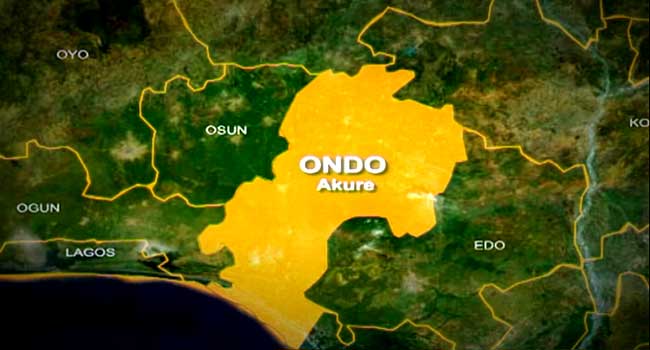
At least 24 people have died in Odigbo Local Government Area of Ondo State between September 3 and 7, 2026, in circumstances preliminary investigations have linked to the consumption of locally brewed alcoholic drinks, particularly a beverage known as “Monkey Tail.”
The Ondo State Ministry of Health confirmed the deaths and said laboratory analysis of samples collected from the affected communities was still ongoing. Permanent Secretary Dr Ayodele Adeji, who visited the community, said preliminary findings pointed to a possible link to locally brewed and ethanol-based herbal drinks. He, however, cautioned against drawing conclusions before results were confirmed.
“Further investigations are required to establish whether there is any direct connection between the consumption of the drinks and the reported deaths,” Adeji said.
Residents Describe Harrowing Scenes.
Some victims were found dead in their homes, while others reportedly died in their sleep. The deaths were spread across three communities: Araromi-Obu, Orita New Town, and Odigbo town itself. Several other individuals who consumed the drinks are currently receiving hospital treatment.
READ ALSO: https://alo360.net/alcohol-health-risks-nigeria-liver-cancer-heart/
In response, the Chairman of Odigbo Local Government Area has imposed a one-month ban on the sale and consumption of locally brewed alcoholic drinks across the area. Anyone caught selling or distributing the banned drinks during the restriction period faces arrest and prosecution. The decision, he said, was intended to protect public health while investigations continue.
The traditional ruler of Odigbo, Oba Rufus Akinrinmade, received a march of youths demanding urgent government action. After which, he pledged that efforts were underway to determine the cause of the deaths and prevent further fatalities.
Monkey Tail is a common local brew typically made by soaking palm wine with cannabis leaves and other additives. Its unregulated production makes quality control impossible and contamination a persistent risk.
The Commissioner for Health, Dr Banji Ajaka, declined to name the specific substance suspected. He maintains reservations until medical and toxicological examinations are complete. The investigation is active and ongoing.
