
Diplomatic Efforts Lose Momentum
Efforts to revive peace negotiations over the ongoing Iran conflict have stalled as both sides continue to harden their positions amid rising geopolitical and economic tensions.
On Saturday, Donald Trump canceled a planned diplomatic mission involving senior envoys Jared Kushner and Steve Witkoff to Pakistan, which has been acting as a mediator between Washington and Tehran.
Speaking to reporters, Trump said Iran had “offered a lot, but not enough,” indicating that negotiations had failed to make meaningful progress.
At the same time, Masoud Pezeshkian rejected the idea of talks under pressure, insisting that Iran would not accept what he described as “imposed negotiations under threats or blockade.”
Strait of Hormuz Remains Effectively Closed
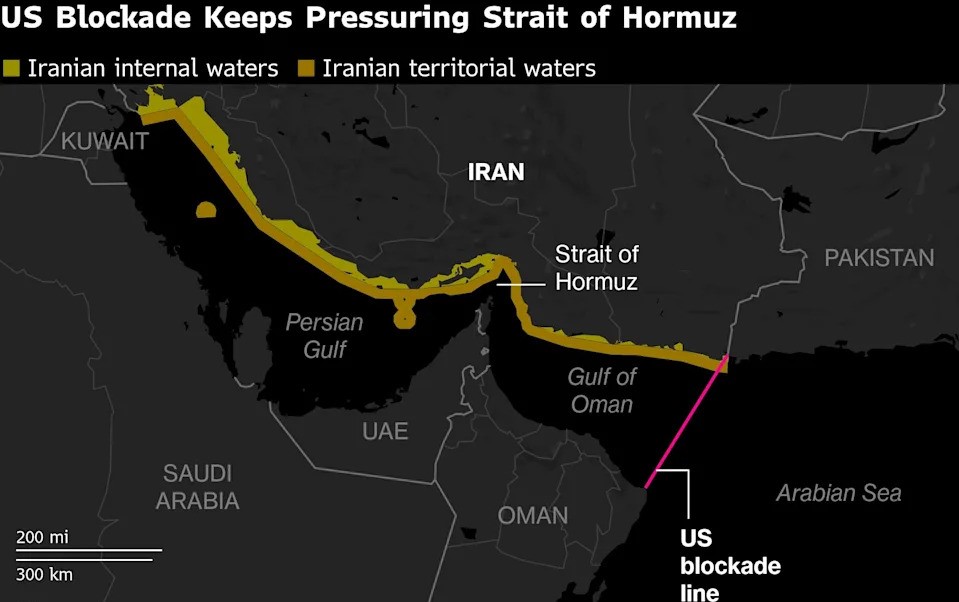
Although a ceasefire has largely remained in place since early April, tensions continue in the strategically important Strait of Hormuz.
Both sides are still enforcing blockades in the waterway, bringing commercial traffic through one of the world’s most critical energy routes almost to a halt.
The disruption has affected nearly one-fifth of global oil shipments. According to the International Energy Agency, the crisis represents the largest supply shock in modern energy history.
As a result, global economic growth forecasts have been downgraded, while energy prices continue to rise sharply.
Trump also criticized the stalled diplomacy in a social media post, writing: “Nobody knows who is in charge… If they want to talk, all they have to do is call.”
Iran Expands Regional Diplomacy
Despite the diplomatic deadlock, negotiations continue behind the scenes.
Iranian Foreign Minister Abbas Araghchi recently met mediators in Islamabad before traveling to Oman for discussions with Sultan Haitham bin Tariq.
In addition, Araghchi held talks with officials from Qatar and Saudi Arabia. Reports also indicate that he is expected to visit Russia soon.
According to Iranian media reports, Tehran plans to present several conditions for ending the conflict. These include lifting the Hormuz blockade, creating a new legal framework for the waterway, securing compensation for damages, and obtaining guarantees against future military action.
For now, nuclear negotiations reportedly remain off the table.
Military Tensions Continue to Rise
Meanwhile, military activity in the region continues to intensify.
The United States Central Command confirmed that American forces intercepted a sanctioned vessel in the Arabian Sea. Officials said the latest action brings the total number of redirected ships to 37 since the blockade began.
In response, Iran has deployed small, fast-moving naval units, often referred to as a “mosquito fleet,” to strengthen enforcement of its own restrictions in the region.
Consequently, daily ship traffic through the Strait of Hormuz has collapsed from around 135 vessels before the conflict to almost zero.
Global Energy Markets Under Pressure
The blockade is already placing severe pressure on global energy markets.
Oil prices closed at $105.33 per barrel on Friday, rising sharply from $72.48 before the conflict began. In the United States, gasoline prices have climbed to nearly $4 per gallon.
Liquefied natural gas supplies have also been disrupted. European benchmark gas prices have increased by roughly one-third since the crisis escalated.
Analysts warn that prolonged disruption in Hormuz could create deeper inflationary pressure and increase economic uncertainty worldwide.
Conflict Spreads Across the Middle East
At the same time, tensions are expanding beyond the Gulf region.
Over the weekend, Israeli Prime Minister Benjamin Netanyahu ordered strikes on Hezbollah targets in Lebanon.
The Israeli military issued evacuation warnings to residents in southern Lebanese villages before carrying out multiple airstrikes. Hezbollah later vowed to continue retaliatory attacks.
The renewed violence comes despite a temporary ceasefire extension announced on April 23. The truce was intended to create space for broader negotiations after nearly two months of fighting linked to Hezbollah’s involvement in Iran’s response to joint US-Israeli military operations.
“We are acting vigorously according to the rules we agreed upon with the United States,” Netanyahu said while defending Israel’s military actions.
Uncertainty Continues to Grow
With diplomatic progress stalled and military tensions still high, uncertainty continues to spread across the Middle East and global financial markets.
Governments, investors, and energy markets are now closely watching whether negotiations can resume before the crisis causes even greater economic and geopolitical disruption.

