
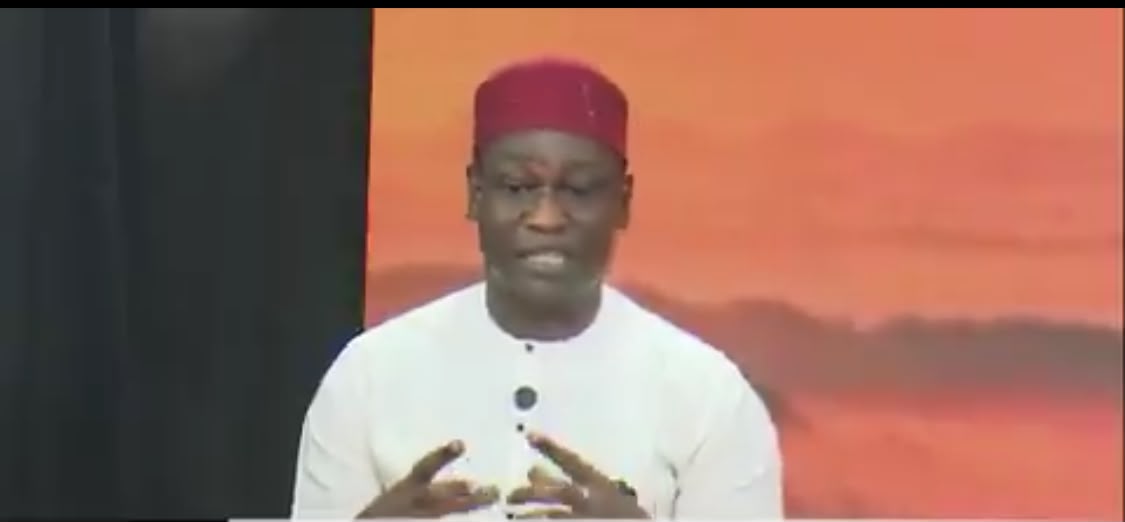
Abdulmumuni Abiola, son of the late Moshood Kashimawo Olawale (MKO) Abiola, the acclaimed winner of the annulled June 12, 1993, presidential election, says many of the challenges that inspired the June 12 struggle three decades ago remain unresolved despite 27 years of uninterrupted democratic rule.
Speaking on Arise Television’s morning programme on Friday, Abiola said Nigerians are frustrated because successive democratic administrations have failed to deliver the level of progress citizens expected.
His comments come amid nationwide reflections on Nigeria’s democratic journey following the Democracy Day celebration.
According to him, the concerns being expressed by Nigerians today are rooted in the perception that the country has not significantly advanced from where it was during the June 12 era.
“Some of the issues that were identified in 1993 are still with us today,” he said.
“I think that’s what the issue is. It’s not that people are seeing the same things. They’re just saying that after successive democratic governance, we’re still basically in the same position we were when we started.”
Abiola said many citizens believe they have not enjoyed the full benefits of democracy despite nearly three decades of civilian rule.
“It’s not necessarily saying that we don’t like the democracy we’re in, but we’re just saying that it is not being a representative one,” he said.
“People are not getting the benefits that they expect to get from this democracy.”
ACTIVE PARTICIPATION ON THE CITIZENS’ PART
The son of the presumed winner of the June 12, 1993, presidential election, however, argued that Nigerians also have a responsibility to actively participate in the democratic process rather than remain disengaged.
Citing the 2023 general election, he noted that voter turnout was significantly lower than the number of registered voters.
“We had an election in 2023 where we had 93 million people with voter cards, only 23 million people in total voted,” he said.
“When you have a situation like that, then you know you’re looking for dividends. You didn’t participate in the process to begin with.”
Abiola urged Nigerians, particularly young people, to channel their frustrations into civic engagement and political participation.
“If you don’t like what you see in the country today, then you should speak up, talk to your neighbours and coordinate,” he said.
“Let’s try to use this energy instead of being angry and abstaining from elections. Let’s use this energy towards some kind of action to change our future.”
He expressed optimism that greater citizen involvement would lead to better governance and more responsive leadership.
“Once we have a critical mass of people involved in the process, you will find that the output that will come from that effort will be more palatable to many Nigerians,” he said.
“My advice would be: let’s get engaged, let’s get involved.”

