
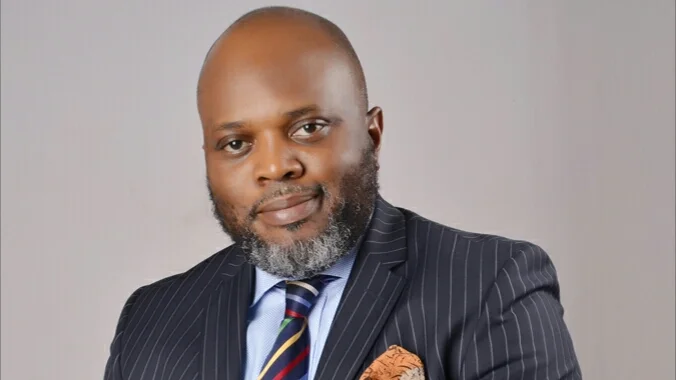
Tope Fasua, special adviser to the president on economic affairs, says the economic reforms introduced by President Bola Tinubu are already producing positive outcomes.
Fasua spoke on Morning Brief on Channels Television on Wednesday, where he defended the administration’s economic direction.
He said the government has implemented bold reforms that previous administrations avoided, including fuel subsidy removal, exchange rate adjustments, and tax reforms.
“This is a reform-minded economy where we have been able to take on some of the reforms that most people dared not to,” he said.
Fasua added that the government will continue with the reforms, noting that such policies require time to fully deliver results.
“You don’t quit on these kinds of reforms midway,” he said.
He said early signs of improvement are already emerging, describing them as “upsides” of the reform agenda.
On concerns about budget implementation and delayed payments, Fasua attributed the challenges to a transition phase.
He said overlapping budget cycles were partly due to adjustments following the change in administration and efforts to improve fiscal processes.
“It’s a transition thing and it’s going to get better,” he said.
Fasua also noted that the administration is shifting development responsibility to states and local governments.
He said increased revenue allocation has strengthened subnational governments, enabling them to drive infrastructure and economic development.
According to him, states are now better positioned to fund projects, with some prioritising capital expenditure more than the federal government.
He added that the federal government is encouraging states to take a more active role in development rather than relying solely on the centre.
Fasua said the overall goal of the reforms is to build a more balanced and sustainable economic structure across all levels of government.

