Nigeria validates its National Hydrogen Policy, aiming to attract investment, create jobs and compete in the $200 billion global hydrogen market.
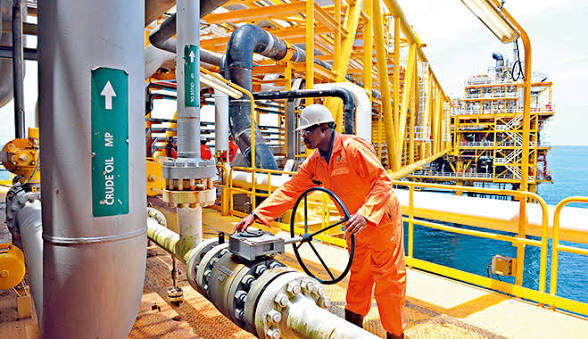
Nigeria is moving closer to becoming a major player in the global hydrogen market. The Federal Government has validated its National Hydrogen Policy after 18 months of consultations. The policy aims to help Nigeria produce both blue and green hydrogen. It will use the country’s huge natural gas reserves and renewable energy resources.
Experts, however, say the real work begins now. They believe successful implementation will determine whether Nigeria attracts investment and benefits from the global hydrogen market, now worth more than $200 billion.
Speaking at the validation workshop in Abuja, Head of the German-Nigerian Hydrogen Office, Kristina Fuerst, described the policy as a “living document.” She explained that it would continue to change as the industry grows. Fuerst pointed out that Germany has updated its National Hydrogen Strategy twice since 2020 because the sector is developing quickly.
Meanwhile, Jochen Rudolph of GIZ Nigeria/ECOWAS said investors would only come if Nigeria turns the policy into bankable projects. He added that Germany would continue offering technical support, capacity building and investor connections. However, he stressed that implementation remains the responsibility of the Nigerian Government.
Exporting Hydrogen to Europe will Not Be Easy
Rudolph also warned that exporting hydrogen to Europe will not be easy. Nigerian producers must meet strict European Union standards on emissions, renewable energy, certification, safety and traceability. Beyond exports, he urged Nigeria to build local industries around hydrogen. According to him, this will create jobs, strengthen manufacturing and prevent the country from exporting only raw energy resources. Government officials also said the policy supports economic diversification, energy security, investment and climate goals.
Industry regulators believe strong rules will shape investor confidence. The Chief Executive of the Nigerian Midstream and Downstream Petroleum Regulatory Authority (NMDPRA), Rabiu Umar, represented by Amos Oliver, said clear regulations and safety standards are essential. The agency also plans to study how Nigeria’s gas pipelines can transport hydrogen. In addition, officials confirmed plans to establish a National Council for Hydrogen Development. The council will coordinate licensing, regulation and investment.
If implemented well, the policy could position Nigeria as a serious competitor in the fast-growing global hydrogen economy.

