
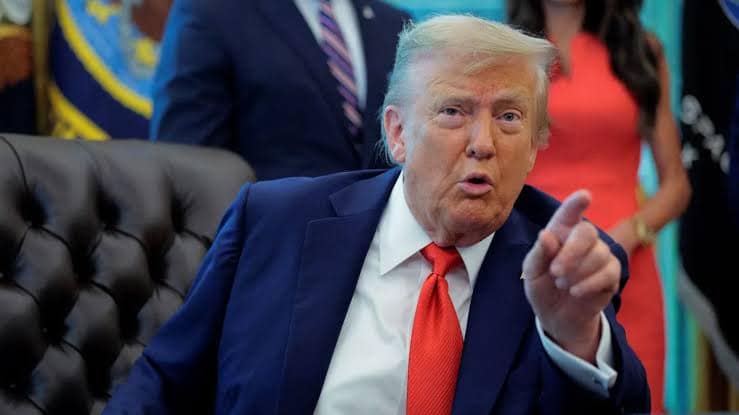
The Trump family is moving closer to entering the US banking business. World Liberty Financial, a Trump-linked crypto company, has received preliminary approval for a national bank.
The approval came from the Office of the Comptroller of the Currency (OCC). However, the company must meet more conditions before getting final approval. If approved, it would mark a major step for the Trump family’s crypto business.
World Liberty Financial wants the bank to support its USD1 stablecoin. The digital currency is backed by US dollars and other assets. The company says a bank could reduce the cost of holding those assets. It could also give USD1 more credibility in the financial market.
“Having a bank in which to store the assets backing the stablecoin would let them cut costs,” the company said.
The Trump move has already attracted political attention
The move has already attracted political attention. Democratic lawmakers worry USD1 could bring businesses closer to Trump with less regulation. World Liberty rejects that concern. Instead, it says banking rules would bring more government oversight.
Meanwhile, the OCC has been approving bank charters at a much faster pace. It approved 22 applications during Trump’s first 19 months of his second term. That is more than approvals recorded during the previous five years combined.
About 40 companies have applied since 2025 began. Many are fintech and digital-asset firms. These include Coinbase, Circle and Nu Holdings. World Liberty’s conditional approval took 220 days. By comparison, the median approval time during Trump’s second term was 126 days.
Some hurdles for Trump bank launch are still in sight
There are still hurdles before the bank can launch fully. World Liberty must maintain enough capital and hire an outside auditor. The company has also appointed Daniel Dietzel as chief financial officer. Zachary Witkoff remains board chairman. Three investors have agreed to limit their control over management.
The OCC says career officials reviewed the application. Still, the plan faces scrutiny because banking failures can hurt taxpayers. During the 1980s savings-and-loan crisis, over 1,600 banks failed. The episode cost taxpayers about $124 billion in direct costs.

