
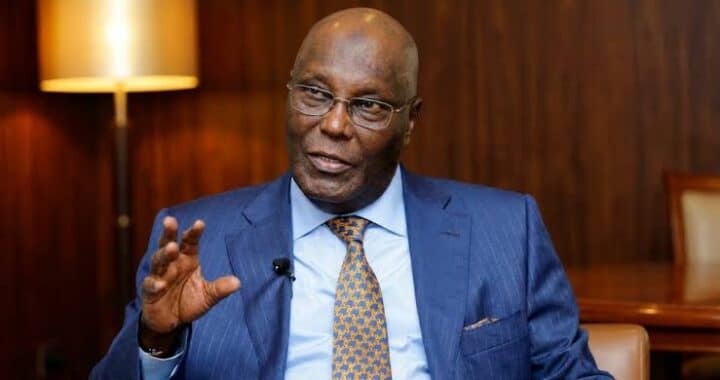
The Presidency and members of the organised private sector have rejected a proposal by African Democratic Congress presidential candidate, Atiku Abubakar, to introduce a new petrol subsidy system if elected in 2027.
Atiku made the proposal in his Atiku Economic Recovery Plan 2027. He argued that government support should move from imported petrol to locally refined products. Under the plan, qualifying refineries would receive crude oil at preferential prices. The process would also be monitored to ensure consumers benefit from the arrangement.
Atiku said the policy would not restore the old subsidy regime. Instead, it would support local refining and reduce Nigeria’s dependence on imported petroleum products.
“My proposal is not to resurrect the old subsidy regime. We will move subsidy from importation to production, from middlemen to Nigerian refineries, and from unverifiable claims to verifiable barrels,” he said.
Presidency Rejects Proposal
President Bola Tinubu criticised the proposal, describing it as evidence of a lack of understanding of governance and the economy. The Presidency also accused Atiku of reversing his earlier position on petrol subsidy for political reasons. It recalled that the former vice president supported subsidy removal during the 2023 election campaign.
According to the Presidency, restoring subsidy would put more pressure on government finances. It could also undermine investments in Nigeria’s growing refining sector. The government has continued to defend the removal of petrol subsidy, arguing that the policy was necessary to reduce the financial burden on the country.
Businesses Raise Concerns
Some business leaders also opposed Atiku’s proposal. They warned that returning to the old subsidy system could discourage investment and increase the government’s financial burden. Economist Ayo Teriba said the focus should instead be on targeted support for vulnerable Nigerians. He suggested interventions in areas such as electricity and transportation.
The Nigeria Labour Congress, however, expressed mixed views on the proposal. Its spokesperson, Benson Upah, said the labour centre would consider any policy capable of reducing the burden on Nigerians.
Another NLC official, Christopher Onyeka, said the union would not support a return to the old subsidy regime. The debate is expected to remain a major issue ahead of the 2027 presidential election, as Nigerians continue to face high fuel prices and rising living costs.
Read also: Atiku Vows to Restore Fuel Subsidy If Elected President in 2027

