
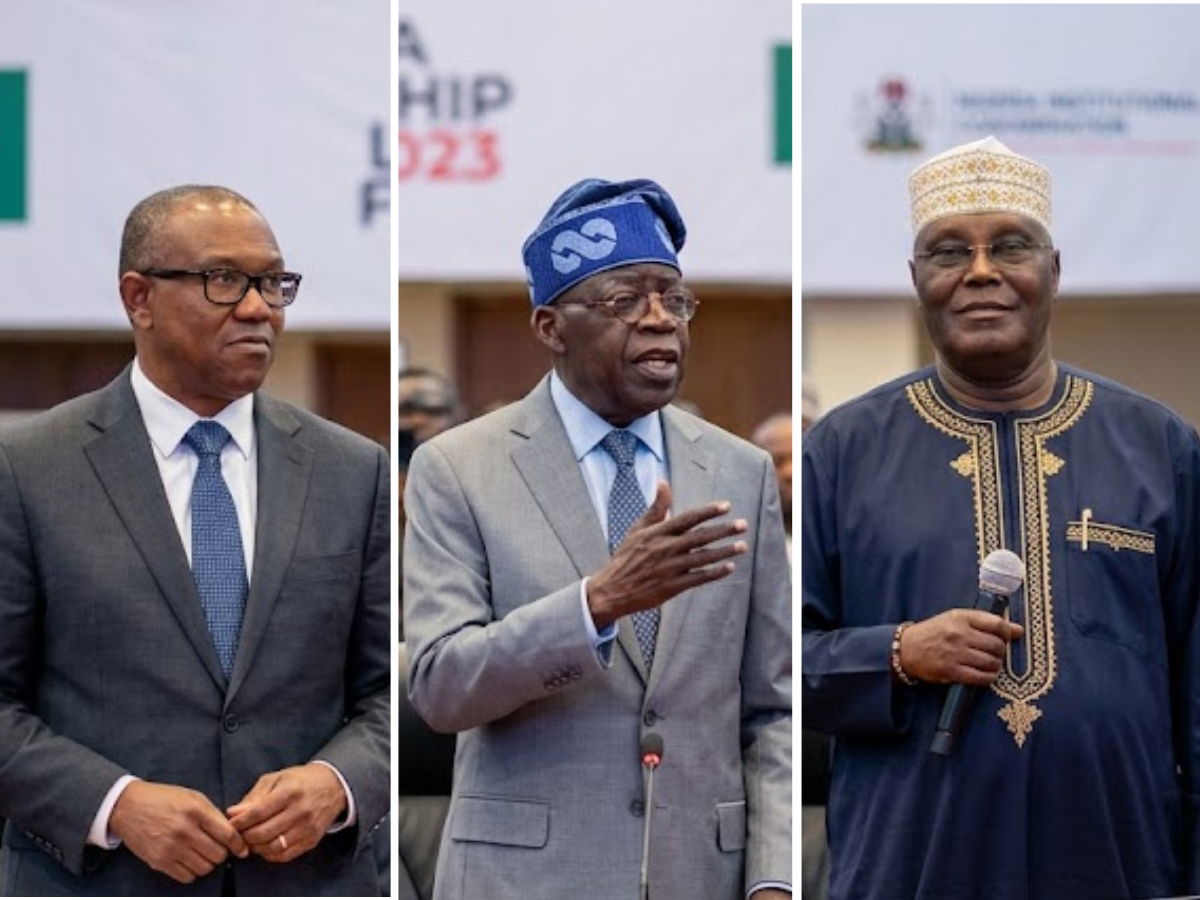
As preparations intensify for the upcoming general elections, candidates split over fuel subsidy policies and petrol pricing, making energy costs a central issue in the presidential contest. Frontline political contenders hold sharply different views on how to reduce pump prices for Nigerians.
Following the economic consequences of President Bola Tinubu’s May 2023 policy shift, opposition candidates are divided between reinstating targeted subsidies, restructuring domestic crude allocations, or leveraging local refining efficiency to lower energy costs.
However, the Presidency and the All Progressives Congress (APC) have maintained their opposition to returning to the subsidy regime, asserting that doing so would reverse fiscal gains and reintroduce unsustainable burdens on government revenue.
Atiku Advocates Targeted Subsidy Restoration
Alhaji Atiku Abubakar, the presidential candidate of the African Democratic Congress (ADC), pledged to restore a modified form of fuel subsidy if elected in 2027.
Atiku argued that Nigerians suffer severe economic hardship without clear developmental benefits. He maintained that a production-focused subsidy structure would effectively reduce living costs.
In response, the APC and the Presidency rejected Atiku’s proposal. They warned that returning to pump subsidies would undermine reforms and increase national debt.
Makinde, Olawepo-Hashim, Adebayo outline alternative strategies
Seyi Makinde of the Allied Peoples Movement (APM) rejected the old subsidy model. Instead, the Oyo State Governor proposed a framework focused on domestic crude allocation.
Speaking in Abuja at the APM campaign office commissioning, Makinde argued against charging international market prices for local crude. He emphasized that national oil wealth should directly lower petrol costs for citizens.
Accord candidate Gbenga Olawepo-Hashim proposed a baseline price of N605 per litre. He stated that local refining, reduced production costs, and exchange rate stability could lower prices further.
Similarly, Social Democratic Party (SDP) candidate Adewole Adebayo ruled out restoring subsidies. He promised to lower pump prices to N200 per litre within 12 months through efficient local refining.
Analysts, elder statesmen urge voter scrutiny
Political scientists at the University of Ibadan noted that rising fuel prices will heavily influence voter choices in 2027. Prof. Remi Aiyede stated that energy pricing remains a key campaign tool for the opposition.
Former Secretary to the Government of the Federation Chief Olu Falae also warned against reversing the policy. He stated that restoring fuel subsidies could severely weaken public revenue and state finances.
Meanwhile, political commentators and civil society groups urged the electorate to scrutinize every proposal. Voters must determine whether candidates’ fuel pricing plans are realistic or driven by political motives.