
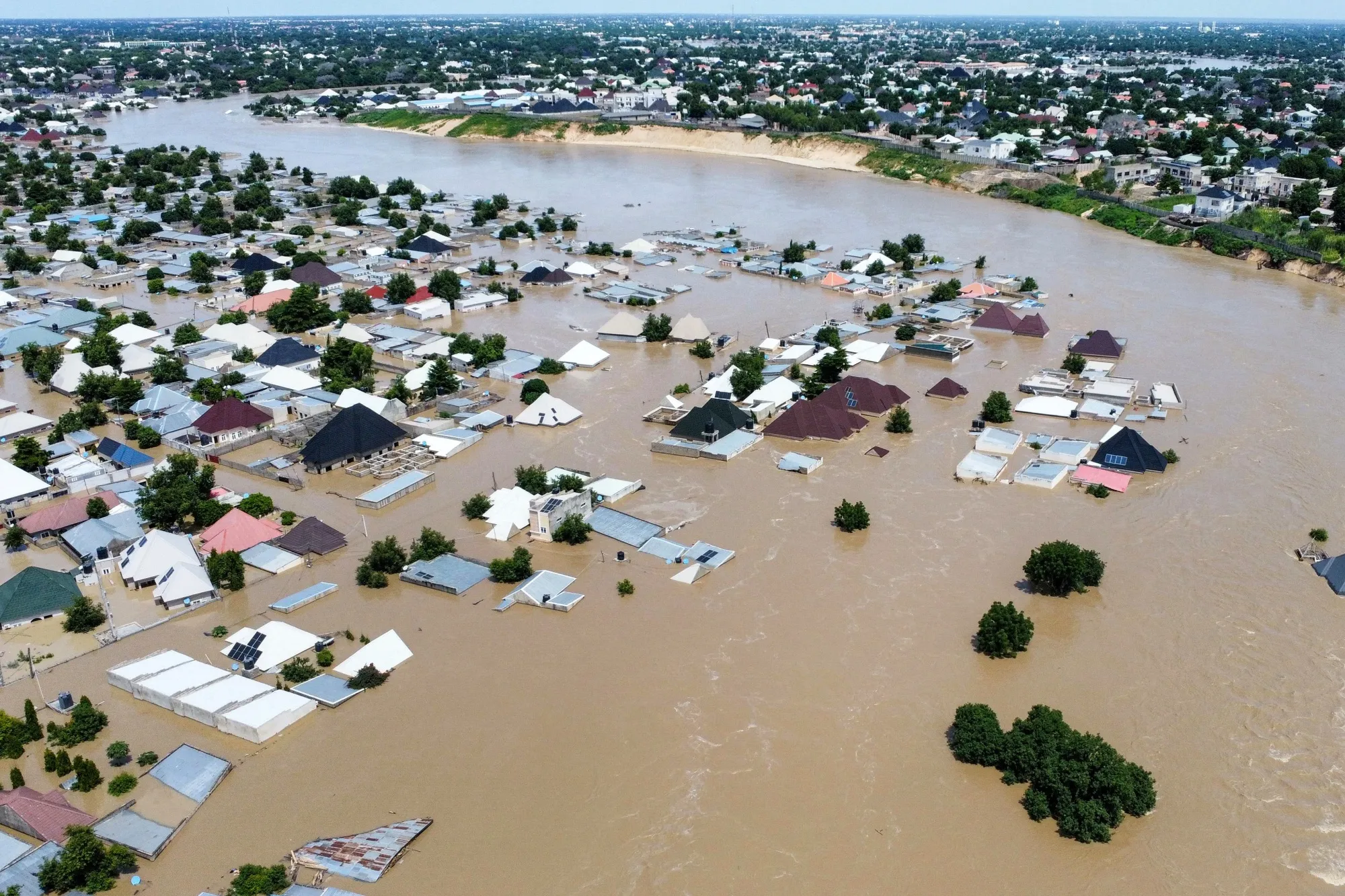
The Nigeria Centre for Disease Control and Prevention (NCDC) has issued a warning about a high risk of cholera and other disease outbreaks in 10 states due to forecasts of heavy rainfall and flooding.
The alert was announced by NCDC Director-General, Jide Idris, in a statement from Abuja.
Key Details
The warning is based on projections from the Nigerian Meteorological Agency and the Federal Ministry of Environment. These forecasts indicate that parts of Adamawa, Enugu, Kaduna, Kogi, Niger, Osun, Oyo, Plateau, Taraba, and Kwara states are likely to experience heavy rains between April 13 and April 17.
What Businesses Should Know
The NCDC highlighted that the expected rainfall coincides with the period when cholera cases typically rise in Nigeria. Flooding could further accelerate the spread of diseases.
Director-General Idris noted that recent surveillance data already show increasing cholera activity in several states, raising concerns about potential outbreaks. He explained that flooding poses serious public health risks by contaminating drinking water, disrupting sanitation systems, and exposing communities to unsafe environmental conditions.
“Taking early action, staying vigilant, and seeking prompt medical care can prevent outbreaks and save lives,” Idris emphasized.
Broader Health Risks
The agency also cautioned that flooding could lead to other health challenges, including:
- Malaria and mosquito-borne diseases
- Waterborne infections from contaminated sources
- Physical injuries, such as drowning and snakebites
- Disruptions to healthcare access, which could delay treatment for affected individuals
Recommendations for Businesses and Residents
The NCDC urged residents and organizations in affected areas to adopt preventive measures, such as:
- Using safe water for drinking and cooking by boiling, chlorinating, or relying on bottled sources
- Improving sanitation practices to reduce exposure to contaminated environments
- Educating communities about early signs of cholera and other diseases
By taking proactive steps, businesses can help protect employees, customers, and communities from the health risks associated with flooding.

