

That bright yellow banana ripened too fast. And that speed could be costing you your health.
Walk into almost any market in Nigeria and you will find them, perfectly yellow bananas and plantains, days before nature would have ripened them on its own. The secret behind that speed is not sunshine. It is calcium carbide, a chemical compound more at home in a welder’s workshop than in your fruit basket.

NAFDAC has confirmed that the most commonly used chemical for ripening fruits in Nigeria, particularly bananas and oranges, is calcium carbide, which is mainly used in welding.
It is meant strictly for tasks like melting iron, not for anything that ends up in your stomach.
How It Works, and Why It Is Dangerous
Calcium carbide reacts with moisture to produce acetylene gas, which mimics the natural ethylene gas that ripens fruit naturally. But the process introduces harmful impurities into the fruit, including arsenic and phosphorus.
NAFDAC has warned that calcium carbide contains impurities such as arsenic, lead particles, and phosphorus, which pose serious health hazards and can cause heart, kidney, and liver failure. The agency also notes that acetylene produced by calcium carbide affects the neurological system and reduces oxygen supply to the body.
That last point matters more than it sounds. Reduced oxygen supply affects every organ, not just one.
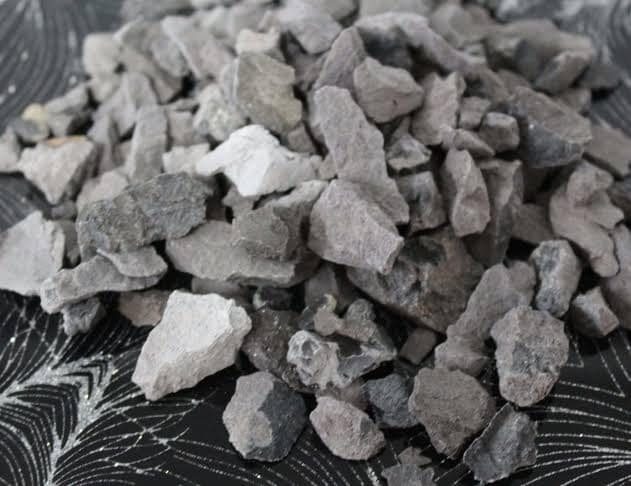
NAFDAC has banned the use of calcium carbide for fruit ripening because it can produce harmful chemicals that pose significant health risks to consumers, including cancer.
According to NAFDAC officials, the chemical can cause cancer in any part of the body.
Why It Is Still Everywhere
Despite the ban and years of public campaigns, fruit markets across the country continue to ripen produce with calcium carbide openly, and the substance is sold freely to anyone who wants to buy it.
Vendors favour it because it works fast, costs little, and most buyers have no idea it is even there.
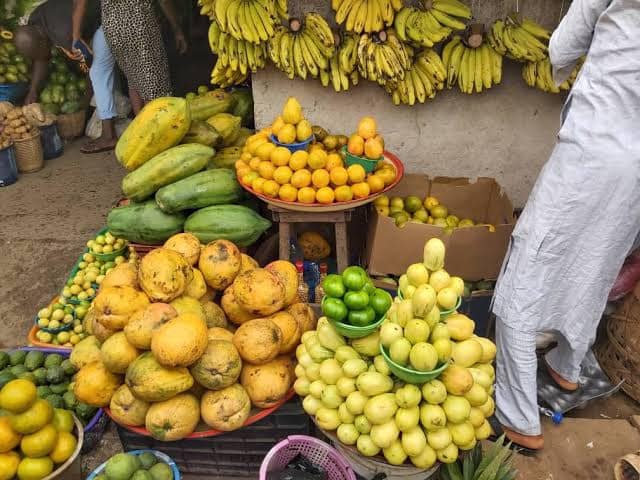
Many Nigerians remain completely unaware of its use and the danger it poses to their wellbeing.
That gap between what is happening in the market and what consumers know is exactly where the danger lives.
How to Spot a Carbide-Ripened Fruit
You do not need a lab to protect yourself. There are simple warning signs.
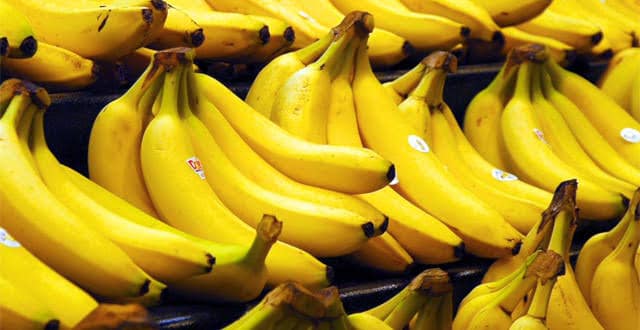
Fruits ripened with calcium carbide may appear yellow on the outside while remaining unripe on the inside. Bananas and plantains with completely yellow peels but dark green stems are often artificially ripened.
Calcium carbide is also known for a distinctive garlic-like odour. If a fruit smells unusually pungent or chemical, that is a red flag.
Naturally ripened fruit ripens unevenly, with patches of green remaining even as the fruit softens. Carbide-ripened fruit tends to look uniformly, almost artificially perfect.
What You Can Do
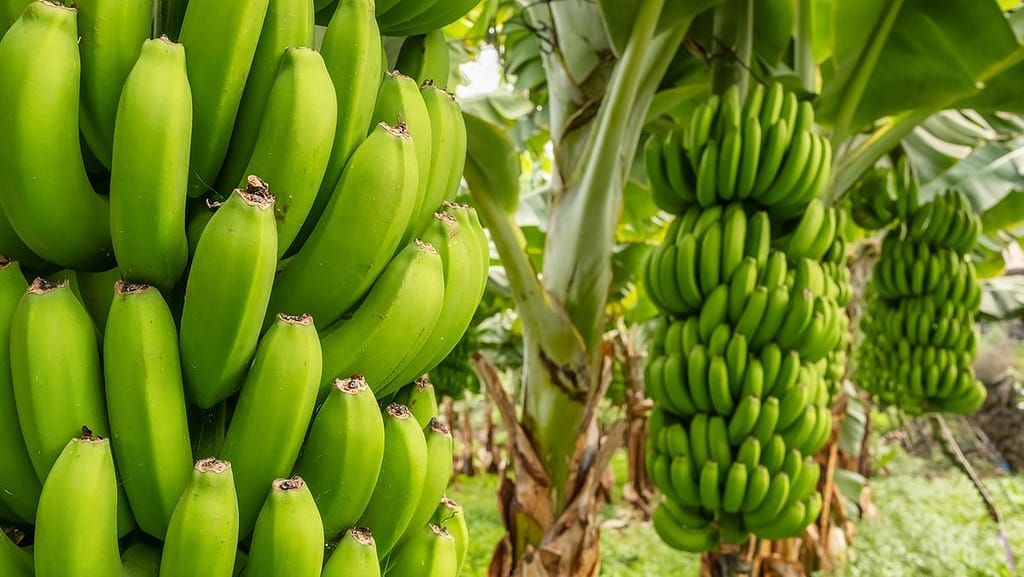
Buy fruit from reputable vendors known for quality and safety, and build a trusted relationship with your local supplier rather than buying randomly from unknown sources.
Check the stem. Smell before you buy. And where possible, allow fruit to ripen naturally at home rather than purchasing produce that is already fully yellow.
Bananas, mangoes, and plantains are some of the most nutritious foods in the Nigerian diet. They should not come with a hidden cost.
The fix is not complicated. It starts with knowing what to look for, and refusing to look away.
READ ALSO: https://alo360.net/alcohol-health-risks-nigeria-liver-cancer-heart/

