
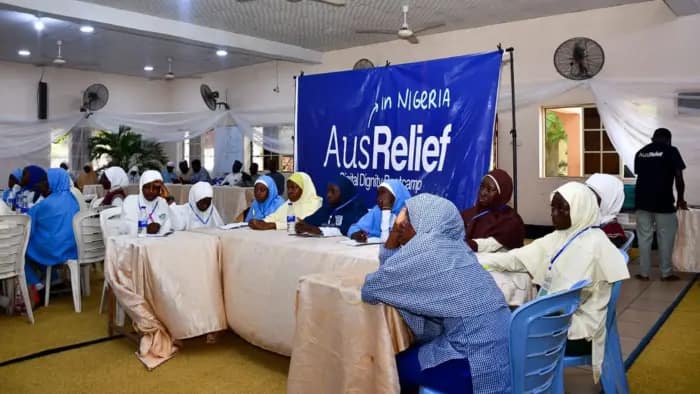
The Development Initiative of West Africa has trained 55 adolescent girls in digital safety and responsible technology use in Niger State. The five-day Digital Dignity Bootcamp took place at the Islamic Education Trust premises in Minna on Monday.
The participants came from 11 secondary schools across six local government areas. The programme covers digital literacy, online safety, leadership, STEAM education and responsible digital citizenship. DIWA Board Chairman, Saidu Suleiman Takuma, said the training would help girls understand the risks linked to social media and use technology responsibly.
“The important thing is that, what lessons do we impact on the girls, in making them successful in using the technology to enhance the education they are getting and to also go into life and successfully choose their career such as doctors, teachers, accountants, lawyers or whatever they choose to go into,” Takuma said.
In addition, he called for better pay and improved working conditions for teachers.
Niger government supports digital training
Meanwhile, the Niger State Commissioner for Basic and Secondary Education, Dr Hadiza Asabe Mohammed, said the government remained committed to improving digital literacy in schools.
She said the bootcamp supports efforts to prepare students for future opportunities.
“Technology must serve humanity, innovation must serve society, and education must serve the future,” Mohammed said.
Furthermore, she urged young people to use technology safely and responsibly.
“Our young people must not merely be consumers of technology. They must become confident, responsible, innovative and empowered digital citizens,” she said.
DIWA targets wider impact
The Chief Executive Officer of DIWA, Daoda Kanneh, said 55 girls and 11 teachers are taking part in the programme. The sessions focus on digital safety, responsible technology use, online wellbeing, leadership and preventing gender-based violence.
Meanwhile, Kanneh said DIWA would share the lessons with other students through peer learning in participating schools.
“We deliberately include teachers because sustainability requires that knowledge and support do not end when the bootcamp closes,” he said.
As a result, teachers will continue to guide and support students after the programme. The participating girls come from schools in Bida, Bosso, Chanchaga, Paikoro, Lapai and Suleja Local Government Areas of Niger State.
Read also: Presidency, Businesses Reject Atiku’s Petrol Subsidy Proposal

